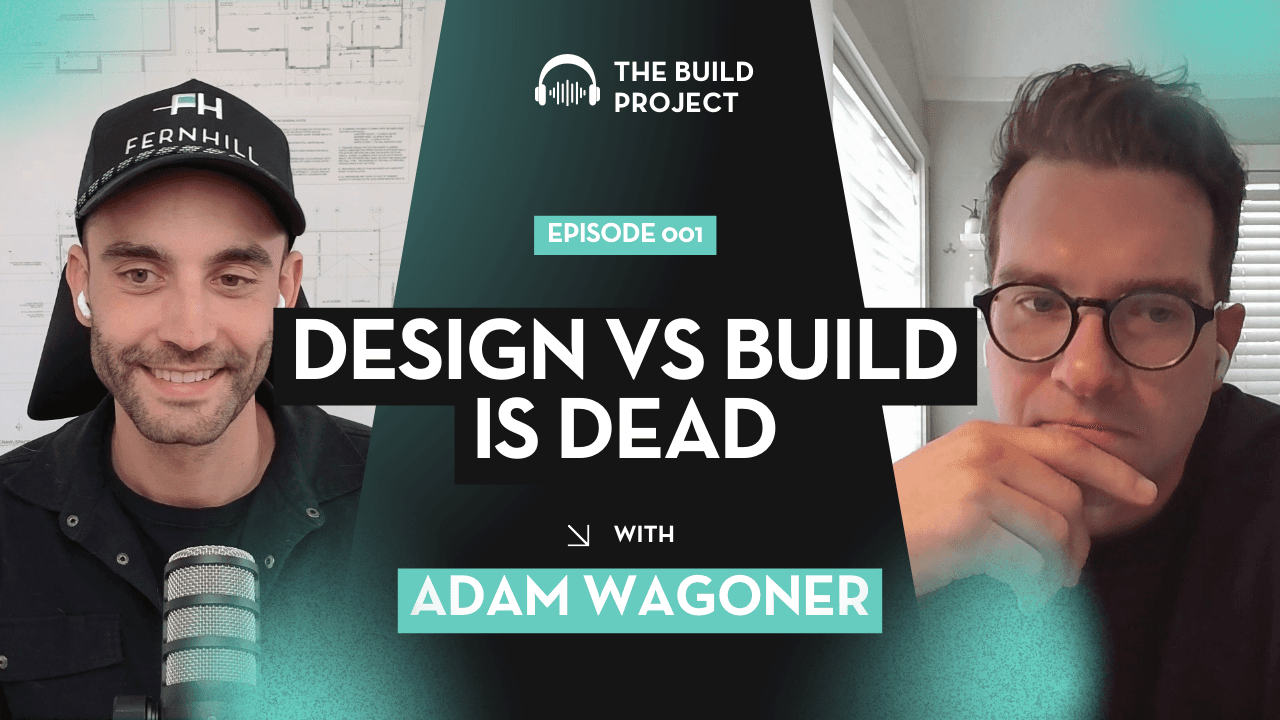
I first met Adam a few years back when I hired him for some consulting work. We hit it off right away — had one of those conversations that sticks with you — and we’ve stayed in touch ever since, even co-hosting a few community events together. At this point, I’d go as far as to call him a friend.
Adam is the founder of High Low Buffalo, a Denver-based architecture studio that’s been doing some seriously cool work — and this year, he was named AIA Colorado Architect of the Year.
Adam also has his own podcast - Architect-ing which is a great listen. It only seemed fitting that as I embark on this journey of starting my own podcast, that I have the Colorado OG ease me into the journey.
Despite our best efforts, we haven’t had the chance to build something together (yet). But I know it’s only a matter of time. This episode felt like the next best thing — a chance to talk about the state of the industry, the future of collaboration, and what it really means to create value for clients in the residential space.
Let’s be honest — residential construction is messy. It’s emotional. It’s expensive. And at times, it feels like architects and builders are speaking completely different languages.
So I started a podcast.
It’s a series of honest conversations with architects, tradespeople, and other builders about what it really takes to deliver exceptional homes — and why the old way of doing things just doesn’t cut it anymore.
The goal?
To build cool stuff with cool people — and help fix the disconnect between design and construction.
Design vs. Build is Dead
(or at least it should be)
Too often, designers and builders are brought into a project at different times, with different priorities. The result? Misalignment, budget shocks, and frustrated clients.
What if we flipped the script?
When builders are brought in early, we’re not “value engineering” a half-baked design. We’re part of the conversation that ensures the final product is actually buildable — and within budget.
Trust Is the Real Foundation
We work on a cost-plus model — which means transparency is everything. Clients see the real numbers: materials, labor, markup. That’s a scary prospect for some, but it builds a level of trust that’s hard to replicate any other way.
But transparency isn’t just about spreadsheets. It’s about setting clear expectations from the jump, communicating risks, and creating space for honest feedback between client, builder, and designer.
Every Custom Home Is a Prototype
There’s no “off-the-shelf” solution for a truly custom home. Different clients. Different sites. Different goals. Every project is a prototype.
That’s why systems, collaboration, and communication matter more than ever.
A designer can spot a stunning opportunity to tweak lighting for better shadows. A builder can tell you if that tweak requires a different HVAC setup and another $4,000. A successful team doesn’t pass the problem around — they solve it together.
Why This Podcast Matters (and Who It’s For)
This podcast isn’t about finger-pointing. It’s not a soapbox. It’s a platform for shared learning and honest conversations.
It’s for:
Homeowners who want to understand the process
Architects who value collaboration
Builders who believe there’s a better way
Tradespeople who never get a seat at the table but always have something valuable to say
Because we’re all better off when we build cool stuff with cool people.
Let’s keep the conversation going.
Follow along at www.builtbyfernhill.com/podcast or DM me if you want to hop on the mic. Let’s elevate the standard — and have some fun doing it.
Related Articles
Meet Alex Molkentin, a Boulder Custom Home Builder Focused on Discipline, Craft, and Accountability If you’re searching for a custom home builder in Boulder, Colorado, you’re not just looking for someone who can assemble materials. You’re looking for someone you can trust with your time, your investment, and your vision. My name is Alex Molkentin. I’m a builder and the owner of Fernhill. And Fernhill exists for a very specific reason.
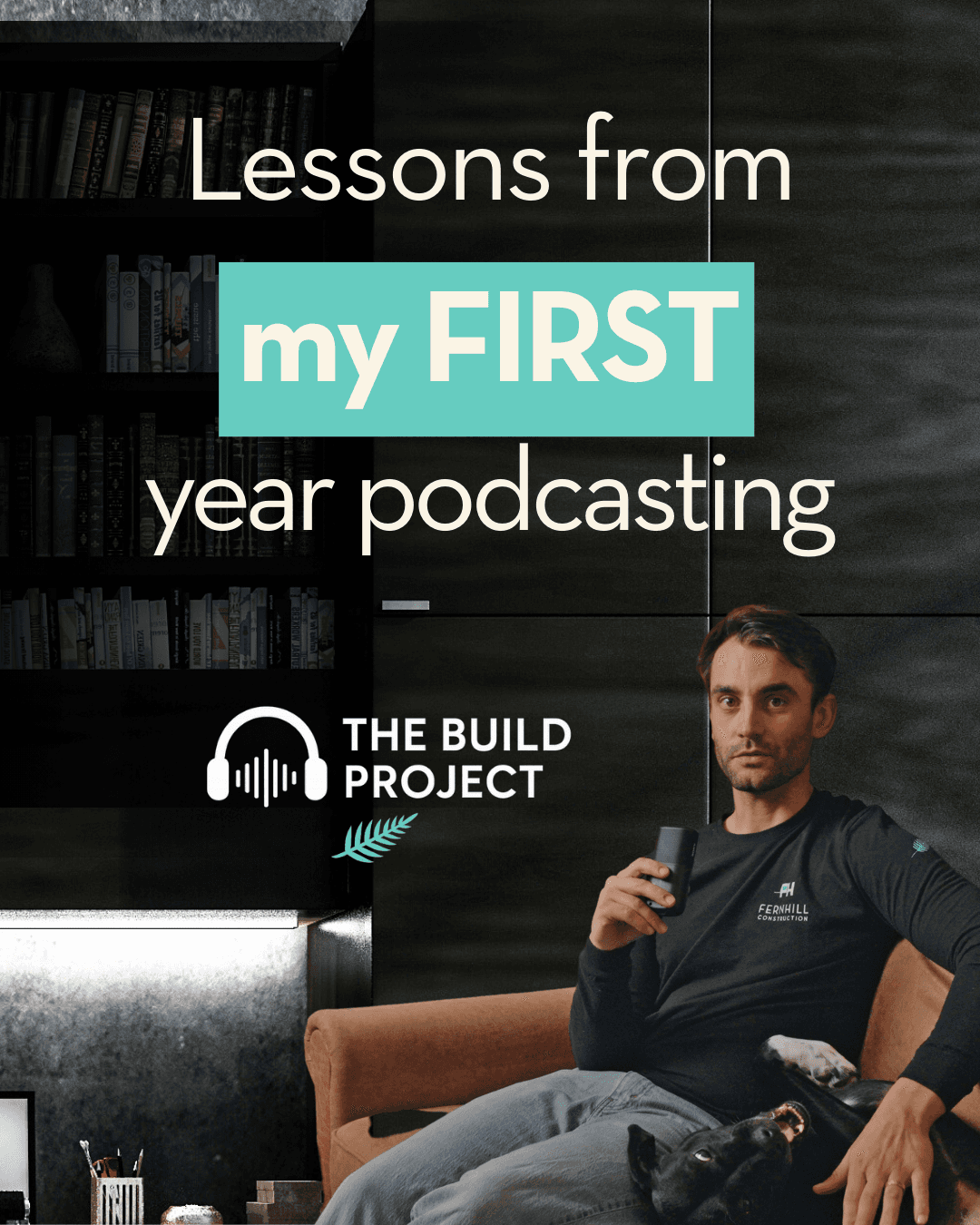
When I started the podcast, I didn’t set out to build an audience or create “content.” I wanted to create space for conversations that were already happening quietly, between builders, architects, designers, and owners - about what actually works, what doesn’t, and why so much of residential construction feels harder than it needs to be. A year in, what surprised me most wasn’t how informative or enjoyable those conversations were. It was how often I walked away from an episode and immediately opened my business journal. Nearly every conversation challenged me to think more deeply about the industry, the way we structure teams, how trust is built, and what kind of work I actually want to be doing. These aren’t lessons tied to individual episodes. They’re patterns, principles that showed up repeatedly, from different perspectives, across different conversations.
As the holiday season approaches, I find myself doing what I try to do every year around this time—slow down for a moment. Not for work, not for deadlines, not for the next project waiting in pre-construction, but to simply take a breath and look around at everything we’ve been a part of this year. And what always comes into focus first isn’t the buildings. It’s the people. It’s easy in our industry to get lost in the schedules, the logistics, the budgets, and the details. But at the end of the day, our work isn’t just about structures—it’s about the humans who shape them, the clients who dream them, and the teams who bring them to life. That realization has been at the heart of Fernhill from the beginning, and this year, it feels more important than ever.