Raised in Construction. Refined by Experience.

I grew up in construction.

My father was a craftsman, the best I’ve ever known. I grew up around sawdust, job sites, and the understanding that building wasn’t just labor -

it was responsibility.

Over time, I worked across both residential and commercial construction throughout Colorado and beyond. I built remarkable projects. Large-scale commercial systems. Detailed residential work.

But I also saw the same problems repeat themselves:

  • A lack of professionalism

  • A lack of accountability

  • Finger-pointing between trades and designers

  • Clients left carrying stress they shouldn’t have to carry

In high-end residential construction in Boulder and Denver, that chaos has quietly become accepted as normal.

It shouldn’t be.

A Turning Point in New Zealand

At one point, the frustration built enough that I questioned whether I wanted to stay in the construction industry at all.

So I left.

I booked a one-way ticket to New Zealand, half expecting to walk away from building entirely.

Instead, everything changed.

Through a series of unexpected events, I found myself working with a luxury developer. And for the first time, I saw what building could be when discipline, accountability, and design alignment actually worked together.

It reframed how I saw construction, not just as a process, but as a community of people aligned around excellence.

The Problem in Boulder’s Residential Construction Market

Commercial construction runs on systems. Clear scopes. Clear accountability. Clear documentation.

Residential construction in Boulder and Denver? It often runs on personality and improvisation.

  • Creative ideas without constructability input

  • Budgets treated as afterthoughts

  • Timelines built on optimism rather than strategy

  • Communication that feels reactive instead of structured

Clients feel it. Architects feel it. Trades feel it.

And everyone quietly absorbs the friction.

Fernhill was built to eliminate that friction.

What Makes Fernhill Different?

Fernhill exists to bring the best of both worlds together:

Commercial-grade systems + residential empathy.

That means:

  • Structured pre-construction strategy

  • Transparent cost-plus budgeting

  • Clear documentation and accountability

  • Respect for design intent

  • High-level craftsmanship

  • A calm, disciplined jobsite environment

We work alongside architects in Boulder and Denver who value rigor.
We collaborate early.
We contribute constructability insight.
We protect the schedule and the budget without diluting design.

Luxury isn’t excess.

Luxury is confidence.

Why the Name “Fernhill”?

Fernhill is named after a neighborhood in Queenstown, New Zealand.

It’s where this idea fully took shape.

A place defined by landscape, restraint, and intentional design. A place where homes feel rooted in their environment rather than imposed on it.

When I returned to Colorado, I brought that clarity back with me.

Fernhill became the expression of that philosophy — a company built around clarity, accountability, and care.

A Boulder Custom Home Builder Focused on Experience

At Fernhill, we specialize in:

  • Luxury custom homes in Boulder County

  • High-end residential remodels in Boulder and Denver

  • Architect-driven residential construction

  • Pre-construction strategy and consulting

We believe building isn’t just about assembling materials.

It’s an experience.

One that families live with long after the project is finished.

The way a project feels during construction matters just as much as how it photographs when it’s done.

Why This Series Exists

This blog — and our video series — is my way of sharing the thinking behind the work.

The challenges.
The decisions.
The lessons most people never see.

Because if you’re investing in a custom home in Boulder, you deserve to understand how it actually gets built — and what separates disciplined execution from chaos.
Details

Date

Feb 18, 2026

Category

Construction Insights

Reading Time

Author
Alex Molkentin

Related Articles

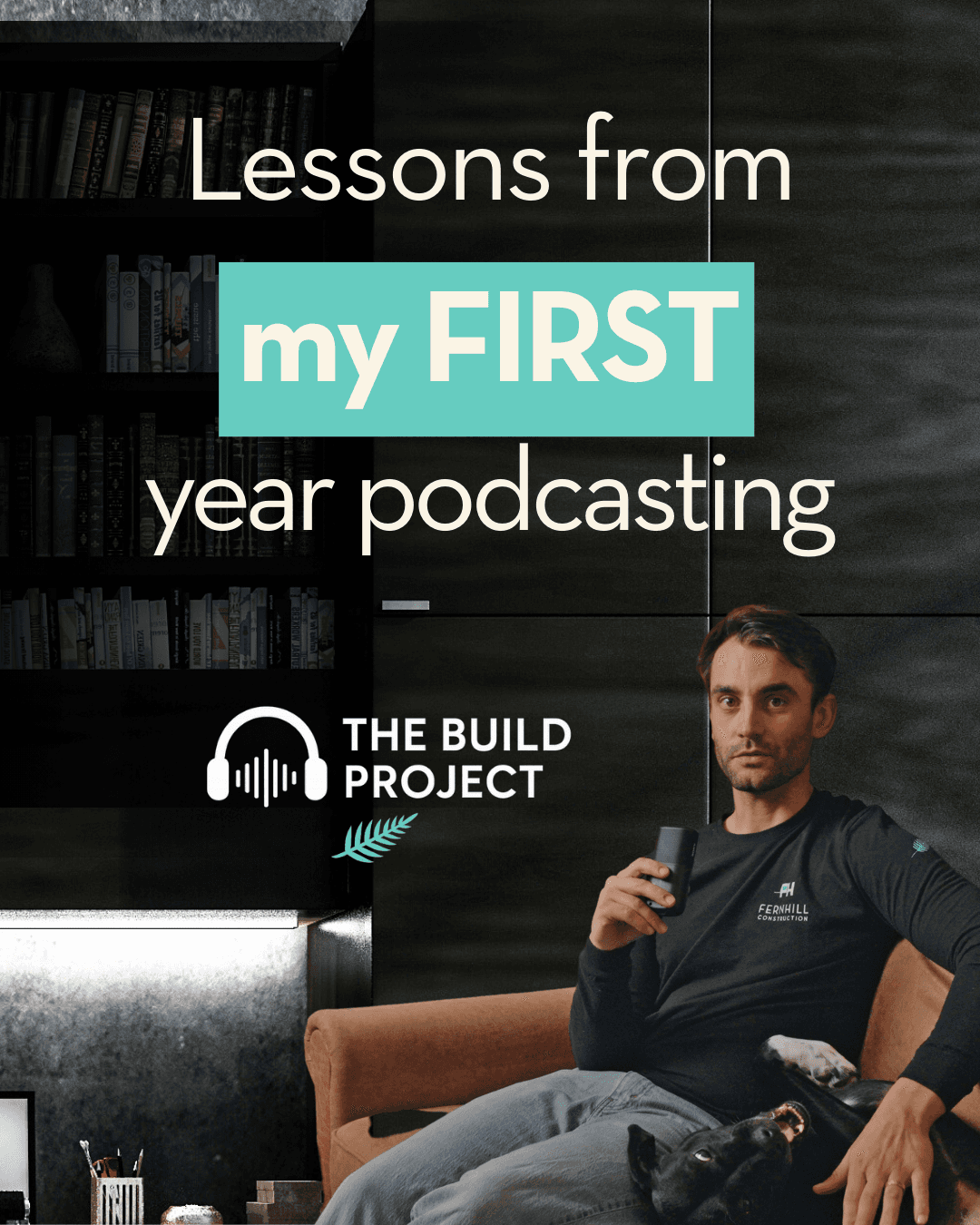
When I started the podcast, I didn’t set out to build an audience or create “content.” I wanted to create space for conversations that were already happening quietly, between builders, architects, designers, and owners - about what actually works, what doesn’t, and why so much of residential construction feels harder than it needs to be. A year in, what surprised me most wasn’t how informative or enjoyable those conversations were. It was how often I walked away from an episode and immediately opened my business journal. Nearly every conversation challenged me to think more deeply about the industry, the way we structure teams, how trust is built, and what kind of work I actually want to be doing. These aren’t lessons tied to individual episodes. They’re patterns, principles that showed up repeatedly, from different perspectives, across different conversations.

When I started the podcast, I didn’t set out to build an audience or create “content.” I wanted to create space for conversations that were already happening quietly, between builders, architects, designers, and owners - about what actually works, what doesn’t, and why so much of residential construction feels harder than it needs to be. A year in, what surprised me most wasn’t how informative or enjoyable those conversations were. It was how often I walked away from an episode and immediately opened my business journal. Nearly every conversation challenged me to think more deeply about the industry, the way we structure teams, how trust is built, and what kind of work I actually want to be doing. These aren’t lessons tied to individual episodes. They’re patterns, principles that showed up repeatedly, from different perspectives, across different conversations.

As the holiday season approaches, I find myself doing what I try to do every year around this time—slow down for a moment. Not for work, not for deadlines, not for the next project waiting in pre-construction, but to simply take a breath and look around at everything we’ve been a part of this year. And what always comes into focus first isn’t the buildings. It’s the people. It’s easy in our industry to get lost in the schedules, the logistics, the budgets, and the details. But at the end of the day, our work isn’t just about structures—it’s about the humans who shape them, the clients who dream them, and the teams who bring them to life. That realization has been at the heart of Fernhill from the beginning, and this year, it feels more important than ever.

As the holiday season approaches, I find myself doing what I try to do every year around this time—slow down for a moment. Not for work, not for deadlines, not for the next project waiting in pre-construction, but to simply take a breath and look around at everything we’ve been a part of this year. And what always comes into focus first isn’t the buildings. It’s the people. It’s easy in our industry to get lost in the schedules, the logistics, the budgets, and the details. But at the end of the day, our work isn’t just about structures—it’s about the humans who shape them, the clients who dream them, and the teams who bring them to life. That realization has been at the heart of Fernhill from the beginning, and this year, it feels more important than ever.

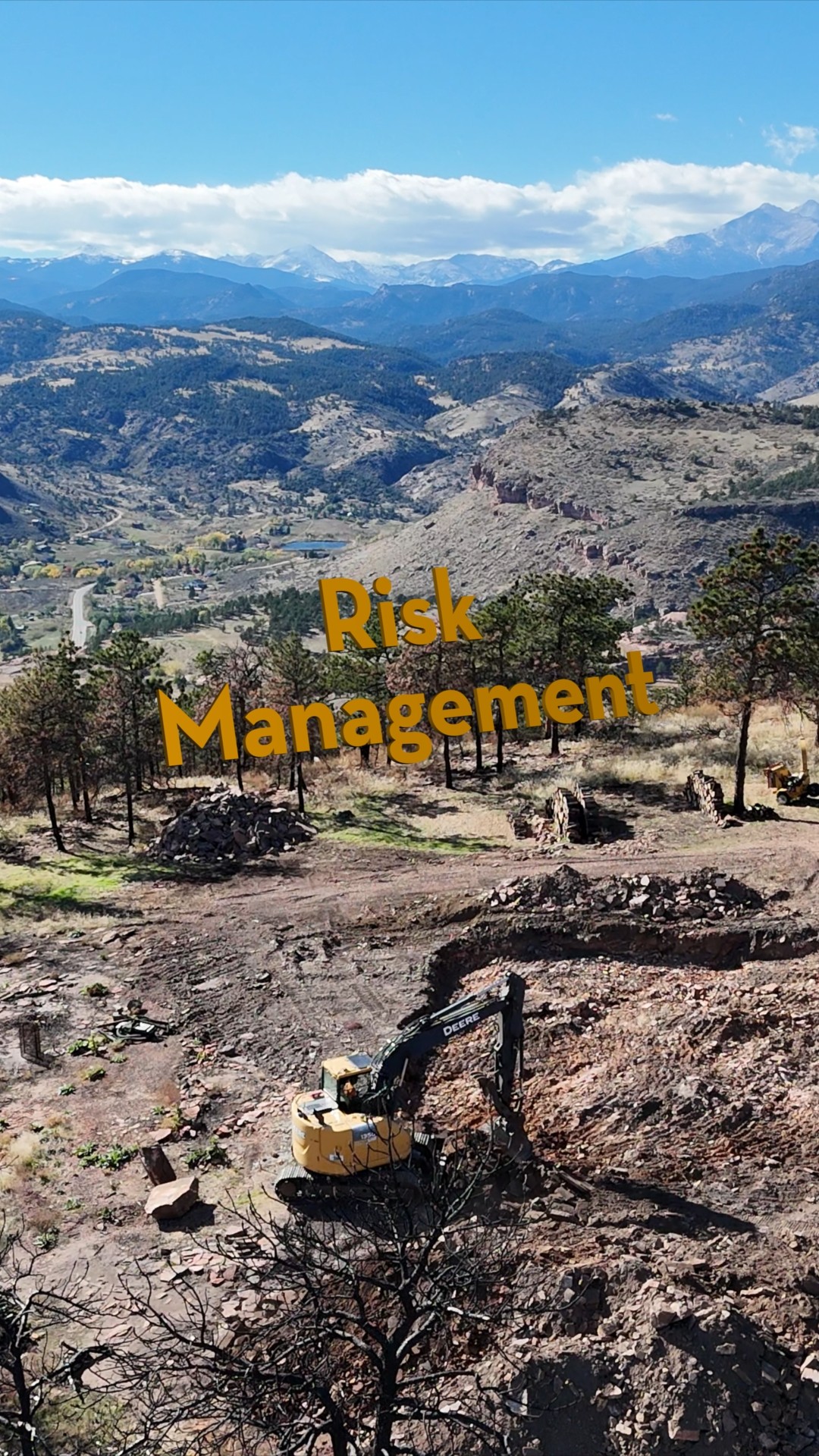
At Fernhill Construction, we believe that great homes begin long before the first foundation is poured. They start with honest conversations about goals, budgets, and most importantly, risk. Every client brings a unique perspective to their project. Some prioritize design freedom, others financial precision. Whether it’s a $1 million remodel or a $5 million new build, everyone has their own comfort level when it comes to uncertainty. Our role as builders isn’t just to construct; it’s to understand each client’s tolerance for risk and steward their investment with care.

At Fernhill Construction, we believe that great homes begin long before the first foundation is poured. They start with honest conversations about goals, budgets, and most importantly, risk. Every client brings a unique perspective to their project. Some prioritize design freedom, others financial precision. Whether it’s a $1 million remodel or a $5 million new build, everyone has their own comfort level when it comes to uncertainty. Our role as builders isn’t just to construct; it’s to understand each client’s tolerance for risk and steward their investment with care.

When I started the podcast, I didn’t set out to build an audience or create “content.” I wanted to create space for conversations that were already happening quietly, between builders, architects, designers, and owners - about what actually works, what doesn’t, and why so much of residential construction feels harder than it needs to be. A year in, what surprised me most wasn’t how informative or enjoyable those conversations were. It was how often I walked away from an episode and immediately opened my business journal. Nearly every conversation challenged me to think more deeply about the industry, the way we structure teams, how trust is built, and what kind of work I actually want to be doing. These aren’t lessons tied to individual episodes. They’re patterns, principles that showed up repeatedly, from different perspectives, across different conversations.

As the holiday season approaches, I find myself doing what I try to do every year around this time—slow down for a moment. Not for work, not for deadlines, not for the next project waiting in pre-construction, but to simply take a breath and look around at everything we’ve been a part of this year. And what always comes into focus first isn’t the buildings. It’s the people. It’s easy in our industry to get lost in the schedules, the logistics, the budgets, and the details. But at the end of the day, our work isn’t just about structures—it’s about the humans who shape them, the clients who dream them, and the teams who bring them to life. That realization has been at the heart of Fernhill from the beginning, and this year, it feels more important than ever.