1. Establish Clear Communication Channels

The first step to effective communication is establishing clear channels for information exchange. At Fernhill Build Studio, we recommend:

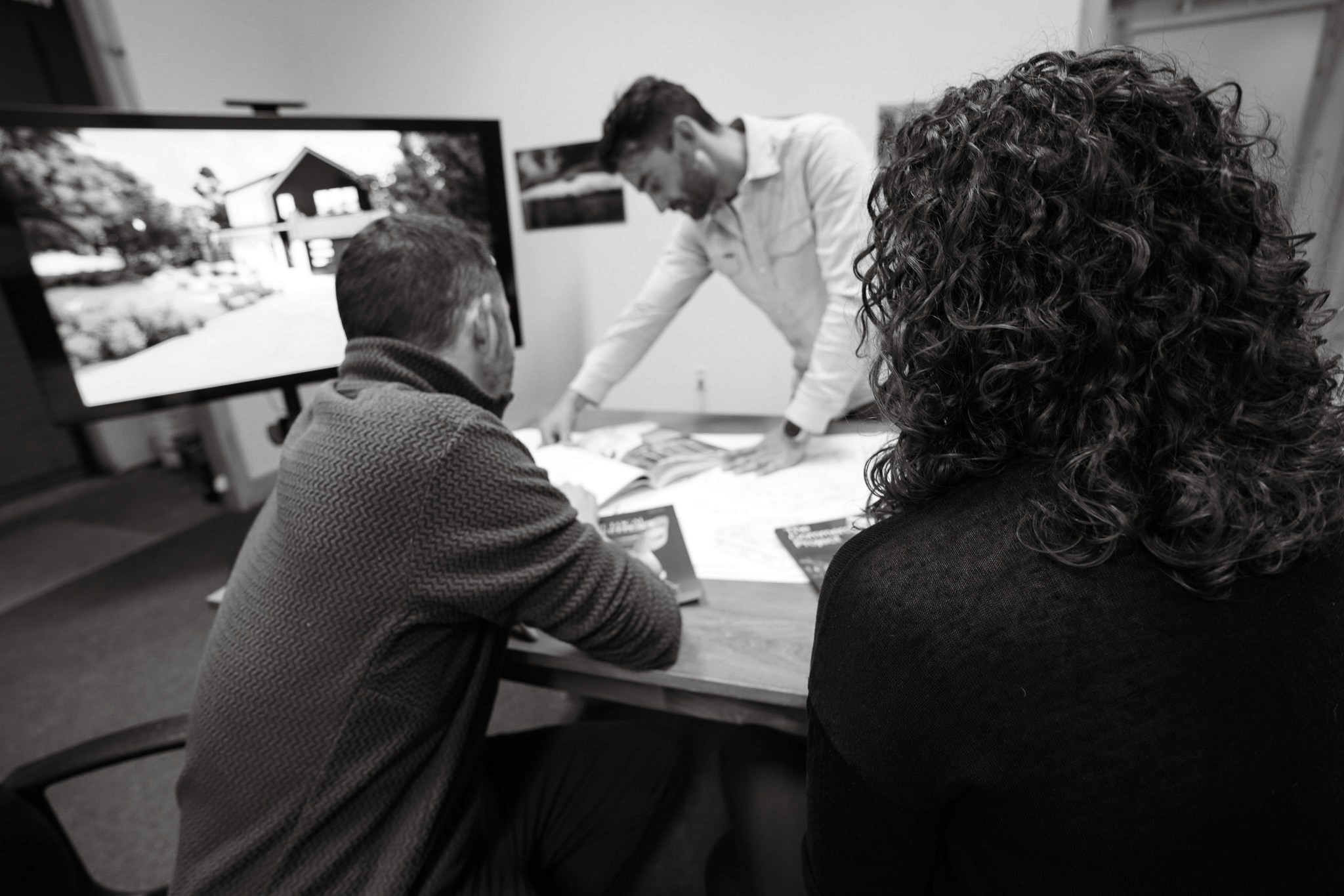
  • Regular Meetings: Schedule regular meetings to discuss construction projects, address concerns, and plan next steps. These can be weekly or bi-weekly, depending on the project's complexity.

  • Dedicated Contact Points: Assign dedicated contact points for each party. This ensures that there is always someone available to address questions or issues promptly.

  • Digital Tools: Utilize digital tools such as project management software, email, and messaging apps to facilitate quick and efficient communication.

2. Define Roles and Responsibilities

Clarity on roles and responsibilities prevents misunderstandings and overlaps. Early in the project, clearly define who is responsible for what:

  • Builder: Overseeing the building process, managing subcontractors, and ensuring the project stays on schedule and within budget.

  • Client: Providing input on architectural design preferences, approving changes, and making timely decisions.

  • Architect: Creating the design, ensuring it meets the client's vision, and providing technical guidance throughout the construction phase.

By clearly delineating these roles, each party knows what is expected of them, and collaboration becomes more straightforward.

3. Foster Open and Honest Communication

Transparency is key to building trust and avoiding conflicts. Encourage open and honest communication by:

  • Creating a Safe Environment: Ensure that all parties feel comfortable expressing their opinions and concerns without fear of judgment.

  • Listening Actively: Practice active listening to fully understand each party's perspective. This involves giving full attention, not interrupting, and providing feedback.

  • Addressing Issues Promptly: When issues arise, address them quickly and collaboratively to find effective solutions.

4. Use Visual Aids and Mock-Ups

Visual aids and mock-ups are invaluable tools for bridging the gap between abstract ideas and tangible outcomes. At Fernhill Build Studio, we utilize:

  • 3D Models and Renderings: These provide a realistic view of the finished project, helping clients visualize the end result and make informed decisions.

  • Material Samples: Providing samples of materials allows clients to touch and see the quality and aesthetics firsthand.

5. Maintain Comprehensive Documentation

Keeping detailed records of all communications, decisions, and changes ensures everyone is on the same page. This includes:

  • Meeting Minutes: Documenting discussions and decisions made during meetings.

  • Change Orders: Clearly outlining any changes to the original plan, including cost implications and timelines.

  • Progress Reports: Regular updates on the project's status, highlighting milestones achieved and any upcoming tasks.

6. Prioritize Feedback and Iteration

Feedback is crucial for continuous improvement. Implement a structured process for collecting and acting on feedback:

  • Regular Check-Ins: Schedule regular check-ins to gather feedback on current progress and any concerns.

  • Post-Project Reviews: Conduct a review at the end of the project to identify what went well and areas for improvement.

Conclusion

Effective communication between the builder, client, and architect is vital for the success of any construction project. At Fernhill Build Studio, we believe in fostering a collaborative environment where all parties can share their expertise and vision. By establishing clear communication channels, defining roles, fostering transparency, using visual aids, maintaining documentation, and prioritizing feedback, we ensure that every project is a harmonious and successful endeavor.

For more insights on our approach to building and design, or to discuss your next project, contact Fernhill Build Studio today. Together, we can create spaces that captivate and inspire.

Details

Date

May 1, 2024

Category

Construction Insights

Reading Time

10 Min

Author
Author Image
Author Image
Alex Molkentin

Author

Builder and craftsman sharing expertise, insights, and industry knowledge to inform and inspire homeowners and professionals alike.

Related Articles

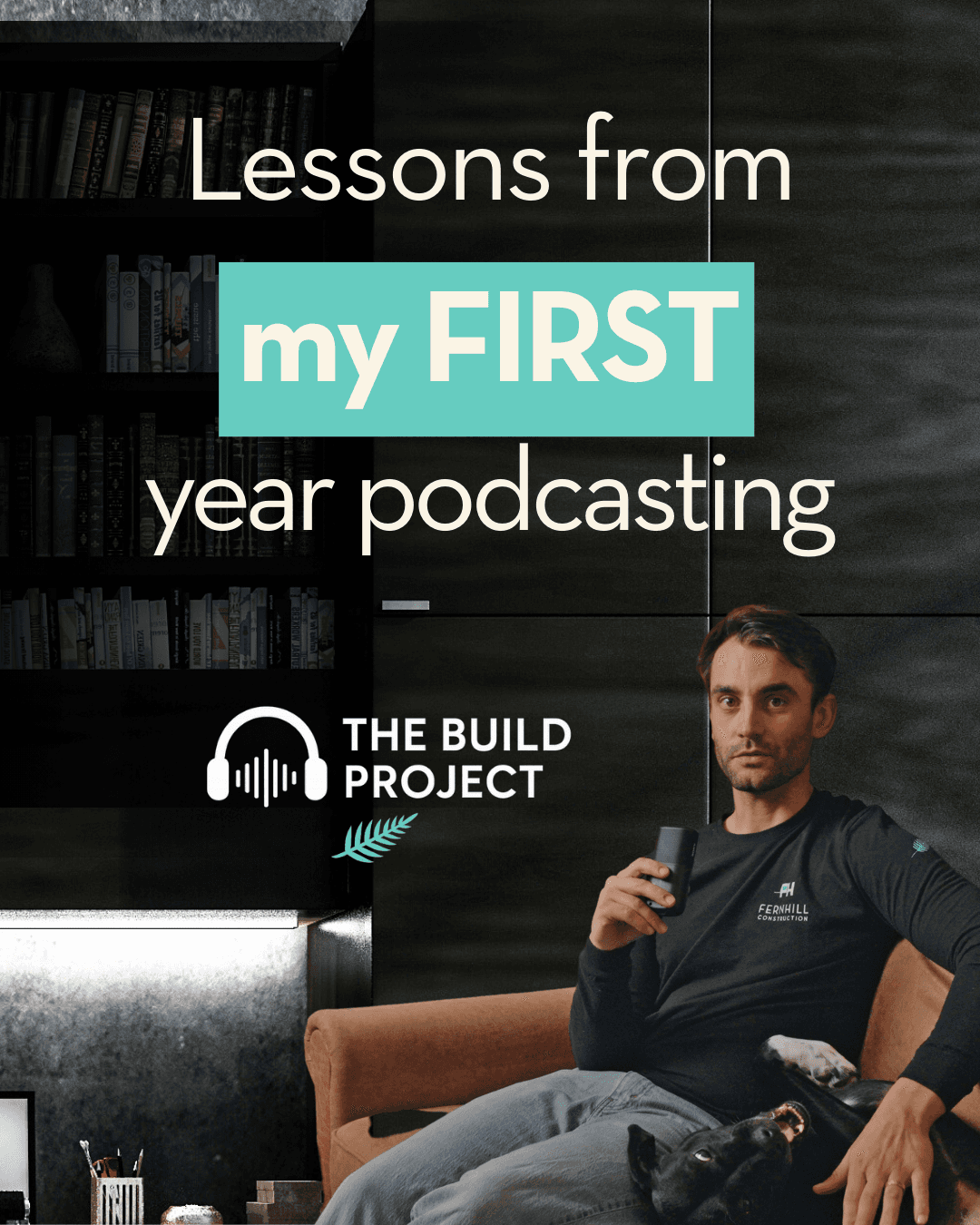
When I started the podcast, I didn’t set out to build an audience or create “content.” I wanted to create space for conversations that were already happening quietly, between builders, architects, designers, and owners - about what actually works, what doesn’t, and why so much of residential construction feels harder than it needs to be. A year in, what surprised me most wasn’t how informative or enjoyable those conversations were. It was how often I walked away from an episode and immediately opened my business journal. Nearly every conversation challenged me to think more deeply about the industry, the way we structure teams, how trust is built, and what kind of work I actually want to be doing. These aren’t lessons tied to individual episodes. They’re patterns, principles that showed up repeatedly, from different perspectives, across different conversations.

When I started the podcast, I didn’t set out to build an audience or create “content.” I wanted to create space for conversations that were already happening quietly, between builders, architects, designers, and owners - about what actually works, what doesn’t, and why so much of residential construction feels harder than it needs to be. A year in, what surprised me most wasn’t how informative or enjoyable those conversations were. It was how often I walked away from an episode and immediately opened my business journal. Nearly every conversation challenged me to think more deeply about the industry, the way we structure teams, how trust is built, and what kind of work I actually want to be doing. These aren’t lessons tied to individual episodes. They’re patterns, principles that showed up repeatedly, from different perspectives, across different conversations.

As the holiday season approaches, I find myself doing what I try to do every year around this time—slow down for a moment. Not for work, not for deadlines, not for the next project waiting in pre-construction, but to simply take a breath and look around at everything we’ve been a part of this year. And what always comes into focus first isn’t the buildings. It’s the people. It’s easy in our industry to get lost in the schedules, the logistics, the budgets, and the details. But at the end of the day, our work isn’t just about structures—it’s about the humans who shape them, the clients who dream them, and the teams who bring them to life. That realization has been at the heart of Fernhill from the beginning, and this year, it feels more important than ever.

As the holiday season approaches, I find myself doing what I try to do every year around this time—slow down for a moment. Not for work, not for deadlines, not for the next project waiting in pre-construction, but to simply take a breath and look around at everything we’ve been a part of this year. And what always comes into focus first isn’t the buildings. It’s the people. It’s easy in our industry to get lost in the schedules, the logistics, the budgets, and the details. But at the end of the day, our work isn’t just about structures—it’s about the humans who shape them, the clients who dream them, and the teams who bring them to life. That realization has been at the heart of Fernhill from the beginning, and this year, it feels more important than ever.

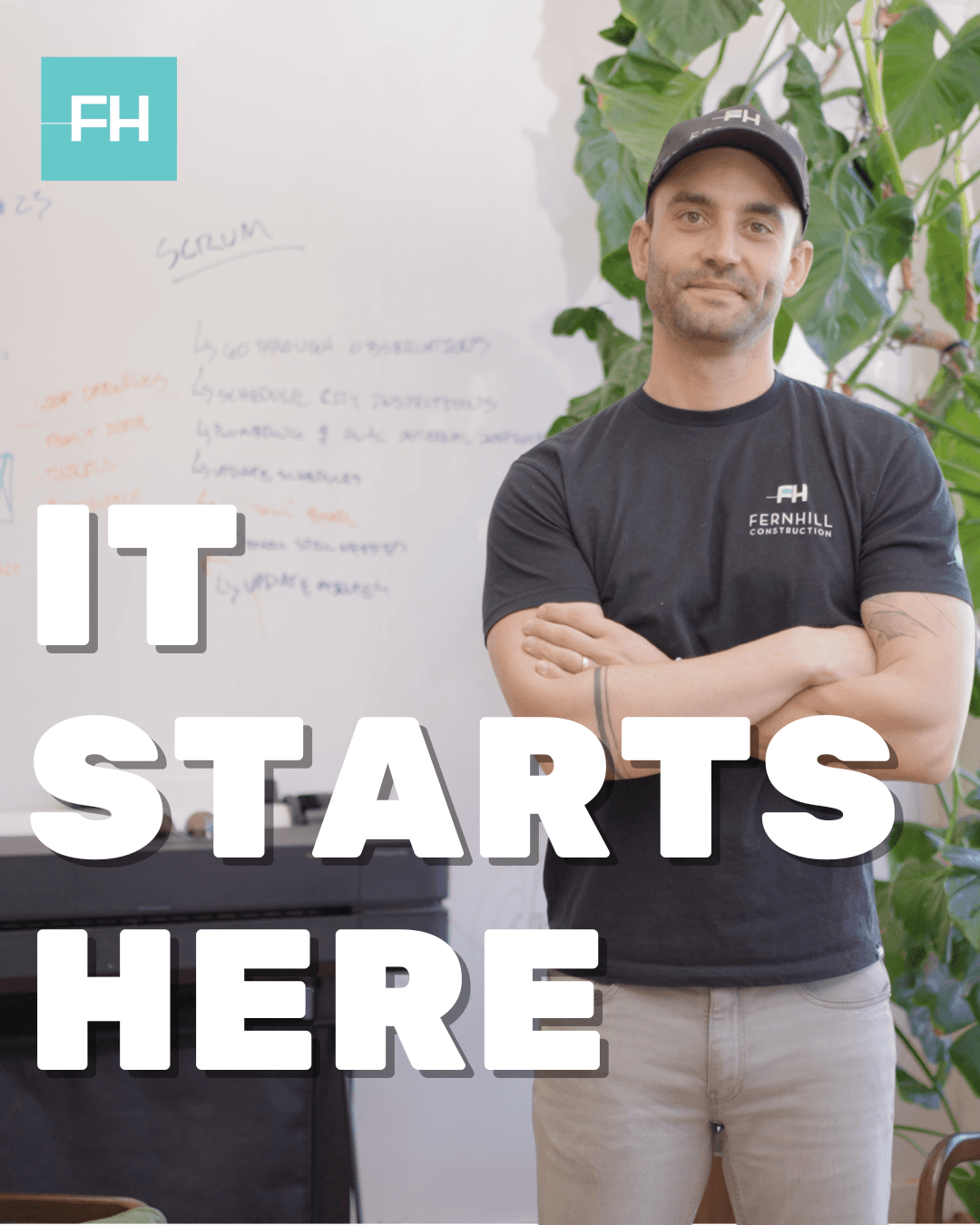
At Fernhill Construction, we believe that great homes begin long before the first foundation is poured. They start with honest conversations about goals, budgets, and most importantly, risk. Every client brings a unique perspective to their project. Some prioritize design freedom, others financial precision. Whether it’s a $1 million remodel or a $5 million new build, everyone has their own comfort level when it comes to uncertainty. Our role as builders isn’t just to construct; it’s to understand each client’s tolerance for risk and steward their investment with care.

At Fernhill Construction, we believe that great homes begin long before the first foundation is poured. They start with honest conversations about goals, budgets, and most importantly, risk. Every client brings a unique perspective to their project. Some prioritize design freedom, others financial precision. Whether it’s a $1 million remodel or a $5 million new build, everyone has their own comfort level when it comes to uncertainty. Our role as builders isn’t just to construct; it’s to understand each client’s tolerance for risk and steward their investment with care.

When I started the podcast, I didn’t set out to build an audience or create “content.” I wanted to create space for conversations that were already happening quietly, between builders, architects, designers, and owners - about what actually works, what doesn’t, and why so much of residential construction feels harder than it needs to be. A year in, what surprised me most wasn’t how informative or enjoyable those conversations were. It was how often I walked away from an episode and immediately opened my business journal. Nearly every conversation challenged me to think more deeply about the industry, the way we structure teams, how trust is built, and what kind of work I actually want to be doing. These aren’t lessons tied to individual episodes. They’re patterns, principles that showed up repeatedly, from different perspectives, across different conversations.

As the holiday season approaches, I find myself doing what I try to do every year around this time—slow down for a moment. Not for work, not for deadlines, not for the next project waiting in pre-construction, but to simply take a breath and look around at everything we’ve been a part of this year. And what always comes into focus first isn’t the buildings. It’s the people. It’s easy in our industry to get lost in the schedules, the logistics, the budgets, and the details. But at the end of the day, our work isn’t just about structures—it’s about the humans who shape them, the clients who dream them, and the teams who bring them to life. That realization has been at the heart of Fernhill from the beginning, and this year, it feels more important than ever.