Ever hear a contractor say, “I’ve been doing this for 30 years”? Cue the fireworks and confetti, right? Not necessarily. Experience matters, but without a consistent, documented system in place, all that experience can go out the window when your build hits its first bump (which it will—this is construction, after all). In an industry where every custom home is effectively a prototype, it’s the builder’s Standard Operating Procedures (SOPs) and professional approach that determine success. Here in Boulder, Lyons, and throughout the greater Denver area, we at Fernhill Construction believe that the key to a smooth build isn’t just how long you’ve swung a hammer—it’s what processes you have in place to ensure quality and transparency every single time.

The Problem with “Experience” Alone

Most homeowners, when interviewing contractors, ask about experience. A seasoned pro can be great, but don’t let that be your only yardstick. If the builder hasn’t documented their methods or updated them as the industry evolves, you might end up footing the bill for outdated practices (or someone’s stubborn pride).

  • Budget Overruns: Often happen when a contractor “winging it” discovers unexpected costs mid-project.

  • Timeline Delays: Without clear milestones and check-ins, a one year build can balloon to 3 year nightmare.

  • Miscommunication: The dreaded “That’s not what we agreed on!” phone call that stems from a lack of transparent documentation.

Why SOPs Matter in a Custom Build

A custom home is unlike a standard production build. Think of it as creating a prototype: it’s the first (and only) of its kind. The more variables involved, the more potential pitfalls—unless you have robust SOPs.

  1. Repeatable Quality

    • Even though every project is unique, consistent outcomes come from standardized processes.

    • At Fernhill Construction, for example, we conduct internal quality inspections at predetermined checkpoints, mimicking the approach seen on commercial job sites. Instead of waiting for the city inspections to set the standard, we proactively work to exceed them.

  2. Documentation & Transparency

    • In the commercial sector, you don’t get away with a shrug and a “We’ll see.” Everything is documented—schedules, budgets, material orders, you name it.

    • We think residential clients deserve the same level of clarity. It’s your money and your home, after all.

  3. Proactive Problem-Solving

    • A well-documented process highlights potential challenges before they explode into full-blown catastrophes.

    • Instead of reacting mid-construction, we plan around typical snags—like Boulder’s ever-changing building code or Lyons’ strict zoning requirements.

  4. Streamlined Communication

    • Clear communication is essential for maintaining sanity and trust.

    • With SOP-driven tech solutions (like real-time project management apps), you can check on project updates at your convenience—no frantic phone calls necessary.

The Commercial Construction Advantage

Ever notice how the commercial sector rarely uses the phrase “I’ve got 25 years under my belt”? That’s because they emphasize documented processes and accountability. High-stakes commercial builds in Denver or Boulder require:

  • Detailed Gantt Charts to map out every phase.

  • Formalized Communication Protocols so nobody’s left in the dark.

  • Thorough Paper Trails for budgeting, change orders, and inspections.

When we borrow this systematic approach at Fernhill Construction, it sets us apart in the world of residential building. We employ technology that automates scheduling, budgeting, and quality checks—without piling on massive overhead costs. It’s precision meets practicality.

Budget, Timeline & Communication: The Homeowner’s Trifecta

From a homeowner’s perspective, you have three main concerns:

  1. Budget: How do we avoid surprises or “gotchas”?

  2. Timeline: Will I be living in a motel for an extra month because of delays?

  3. Communication: Who’s in the loop, and when?

A builder with strong SOPs has specific systems that address each of these concerns—backed up by documentation. You get less guesswork, fewer last-minute freak-outs, and a more enjoyable custom-build experience.

Why Fernhill Construction?

We’re not the only builder in Colorado, but we strive to be the best for clients who value transparency, professionalism, and a . Our approach includes:

  • Pre-Construction Planning: Comprehensive estimates, scope documents, and scheduling.

  • Mid-Project Checkpoints: Internal inspections and client “walk-throughs” for real-time updates.

  • Tech-Enabled Oversight: We utilize platforms for daily logs, photo updates, submittals, RFI's, quality control and budgeting so you can watch your home come to life without confusion.

  • Personal Touch: We might show up with checklists in hand and software on our phones, but we also believe in face-to-face conversations. Because at the end of the day, building a custom home is a visceral experience.

When you’re choosing a builder—whether for a new custom home, a major remodel, or even an addition—don’t just ask about experience. Ask about how they’ll manage every step of your build. Their documented, transparent approach is the real barometer of success. After all, we’re dealing with a sizable investment here—let’s treat it with the professionalism it deserves.

Ready to see SOPs in action?

Contact Fernhill Construction and let’s talk about how we can put our proven systems (and maybe a bit of humor) to work for your Boulder, Lyons, or Denver-area project.
Details

Date

Feb 15, 2025

Category

Construction Insights

Reading Time

10 Minutes

Author
Alex Molkentin

Author

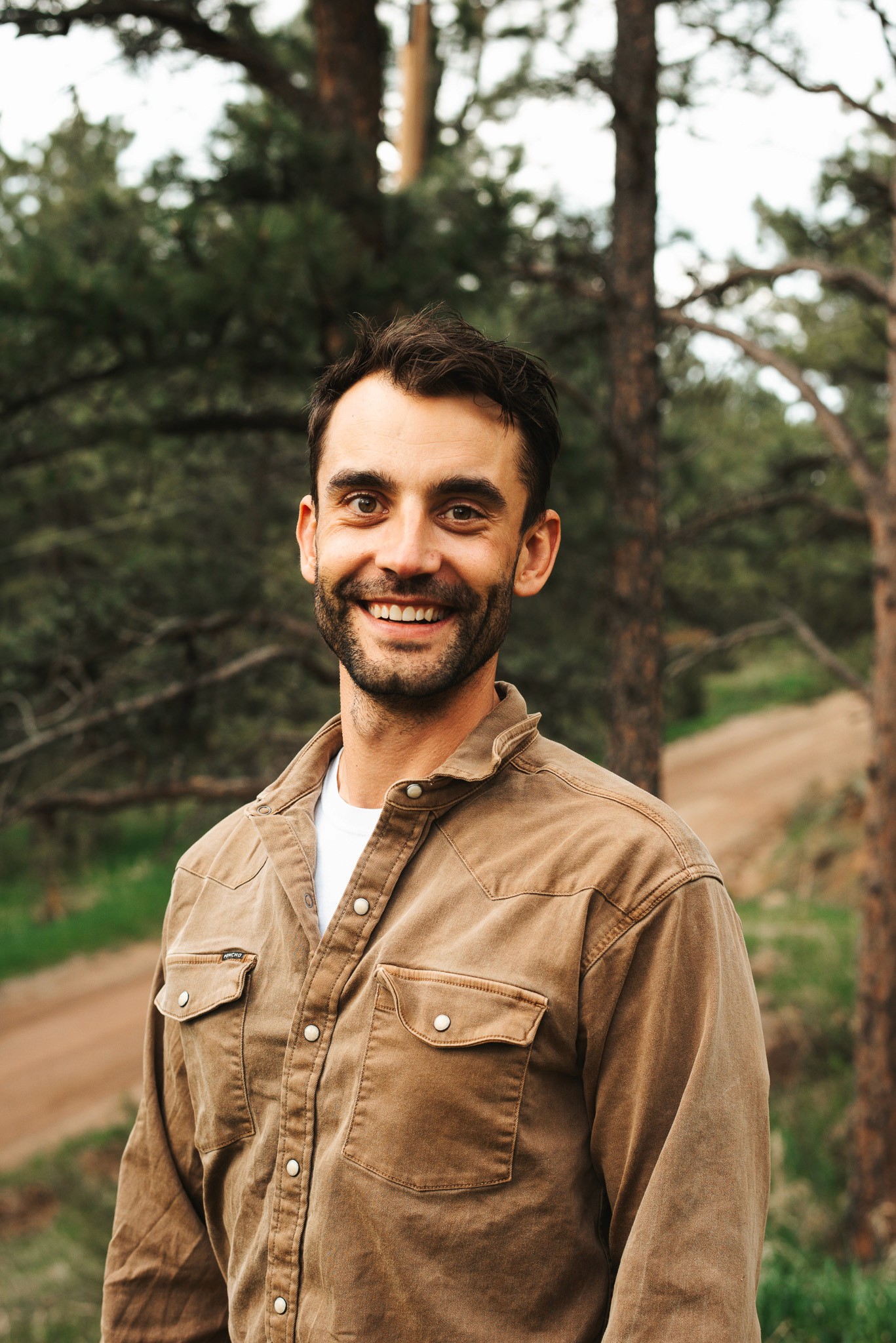
Builder and craftsman sharing expertise, insights, and industry knowledge to inform and inspire homeowners and professionals alike.

Related Articles

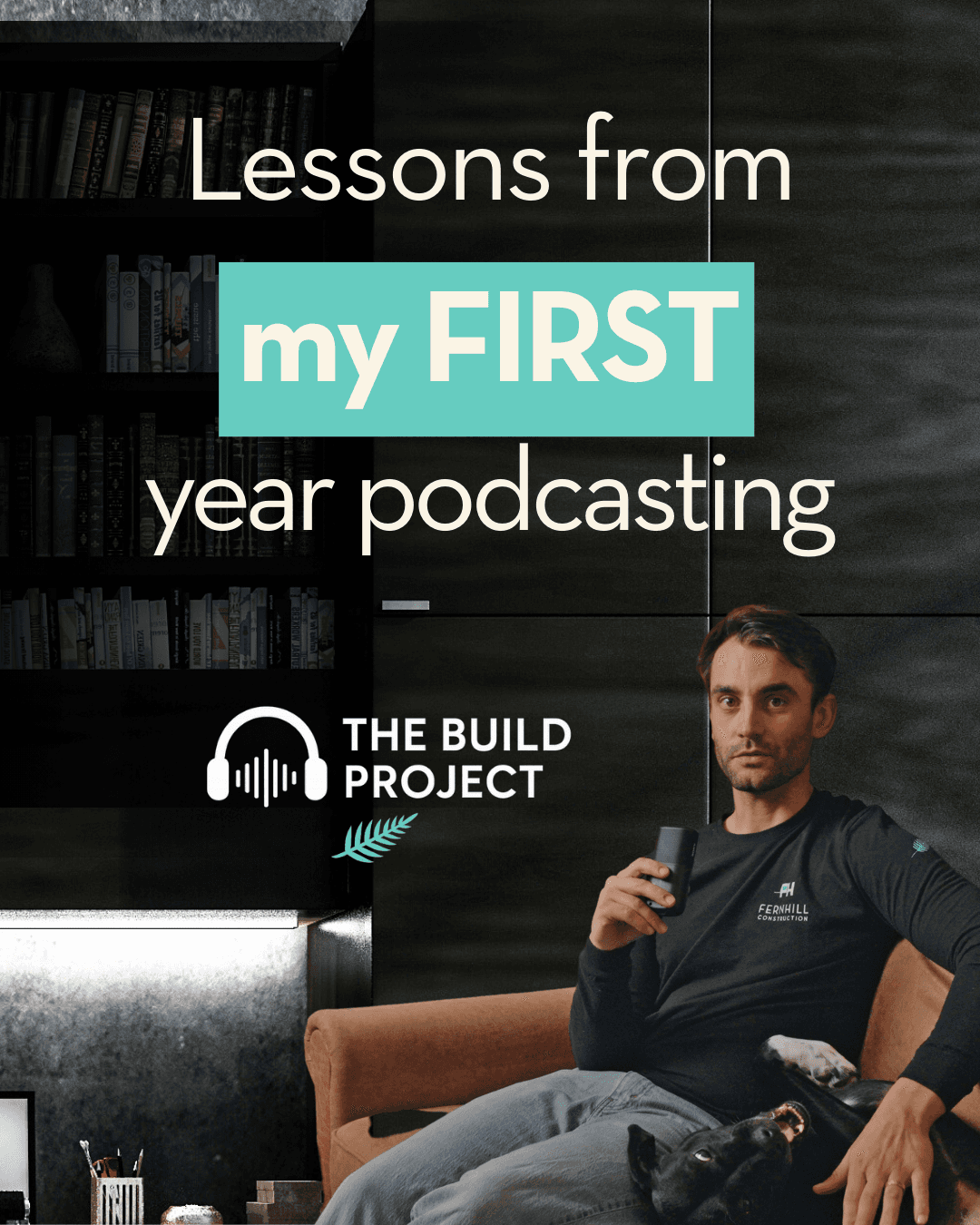
When I started the podcast, I didn’t set out to build an audience or create “content.” I wanted to create space for conversations that were already happening quietly, between builders, architects, designers, and owners - about what actually works, what doesn’t, and why so much of residential construction feels harder than it needs to be. A year in, what surprised me most wasn’t how informative or enjoyable those conversations were. It was how often I walked away from an episode and immediately opened my business journal. Nearly every conversation challenged me to think more deeply about the industry, the way we structure teams, how trust is built, and what kind of work I actually want to be doing. These aren’t lessons tied to individual episodes. They’re patterns, principles that showed up repeatedly, from different perspectives, across different conversations.

When I started the podcast, I didn’t set out to build an audience or create “content.” I wanted to create space for conversations that were already happening quietly, between builders, architects, designers, and owners - about what actually works, what doesn’t, and why so much of residential construction feels harder than it needs to be. A year in, what surprised me most wasn’t how informative or enjoyable those conversations were. It was how often I walked away from an episode and immediately opened my business journal. Nearly every conversation challenged me to think more deeply about the industry, the way we structure teams, how trust is built, and what kind of work I actually want to be doing. These aren’t lessons tied to individual episodes. They’re patterns, principles that showed up repeatedly, from different perspectives, across different conversations.

As the holiday season approaches, I find myself doing what I try to do every year around this time—slow down for a moment. Not for work, not for deadlines, not for the next project waiting in pre-construction, but to simply take a breath and look around at everything we’ve been a part of this year. And what always comes into focus first isn’t the buildings. It’s the people. It’s easy in our industry to get lost in the schedules, the logistics, the budgets, and the details. But at the end of the day, our work isn’t just about structures—it’s about the humans who shape them, the clients who dream them, and the teams who bring them to life. That realization has been at the heart of Fernhill from the beginning, and this year, it feels more important than ever.

As the holiday season approaches, I find myself doing what I try to do every year around this time—slow down for a moment. Not for work, not for deadlines, not for the next project waiting in pre-construction, but to simply take a breath and look around at everything we’ve been a part of this year. And what always comes into focus first isn’t the buildings. It’s the people. It’s easy in our industry to get lost in the schedules, the logistics, the budgets, and the details. But at the end of the day, our work isn’t just about structures—it’s about the humans who shape them, the clients who dream them, and the teams who bring them to life. That realization has been at the heart of Fernhill from the beginning, and this year, it feels more important than ever.

At Fernhill Construction, we believe that great homes begin long before the first foundation is poured. They start with honest conversations about goals, budgets, and most importantly, risk. Every client brings a unique perspective to their project. Some prioritize design freedom, others financial precision. Whether it’s a $1 million remodel or a $5 million new build, everyone has their own comfort level when it comes to uncertainty. Our role as builders isn’t just to construct; it’s to understand each client’s tolerance for risk and steward their investment with care.

At Fernhill Construction, we believe that great homes begin long before the first foundation is poured. They start with honest conversations about goals, budgets, and most importantly, risk. Every client brings a unique perspective to their project. Some prioritize design freedom, others financial precision. Whether it’s a $1 million remodel or a $5 million new build, everyone has their own comfort level when it comes to uncertainty. Our role as builders isn’t just to construct; it’s to understand each client’s tolerance for risk and steward their investment with care.

When I started the podcast, I didn’t set out to build an audience or create “content.” I wanted to create space for conversations that were already happening quietly, between builders, architects, designers, and owners - about what actually works, what doesn’t, and why so much of residential construction feels harder than it needs to be. A year in, what surprised me most wasn’t how informative or enjoyable those conversations were. It was how often I walked away from an episode and immediately opened my business journal. Nearly every conversation challenged me to think more deeply about the industry, the way we structure teams, how trust is built, and what kind of work I actually want to be doing. These aren’t lessons tied to individual episodes. They’re patterns, principles that showed up repeatedly, from different perspectives, across different conversations.

As the holiday season approaches, I find myself doing what I try to do every year around this time—slow down for a moment. Not for work, not for deadlines, not for the next project waiting in pre-construction, but to simply take a breath and look around at everything we’ve been a part of this year. And what always comes into focus first isn’t the buildings. It’s the people. It’s easy in our industry to get lost in the schedules, the logistics, the budgets, and the details. But at the end of the day, our work isn’t just about structures—it’s about the humans who shape them, the clients who dream them, and the teams who bring them to life. That realization has been at the heart of Fernhill from the beginning, and this year, it feels more important than ever.