Seeing Risk as a Design Tool


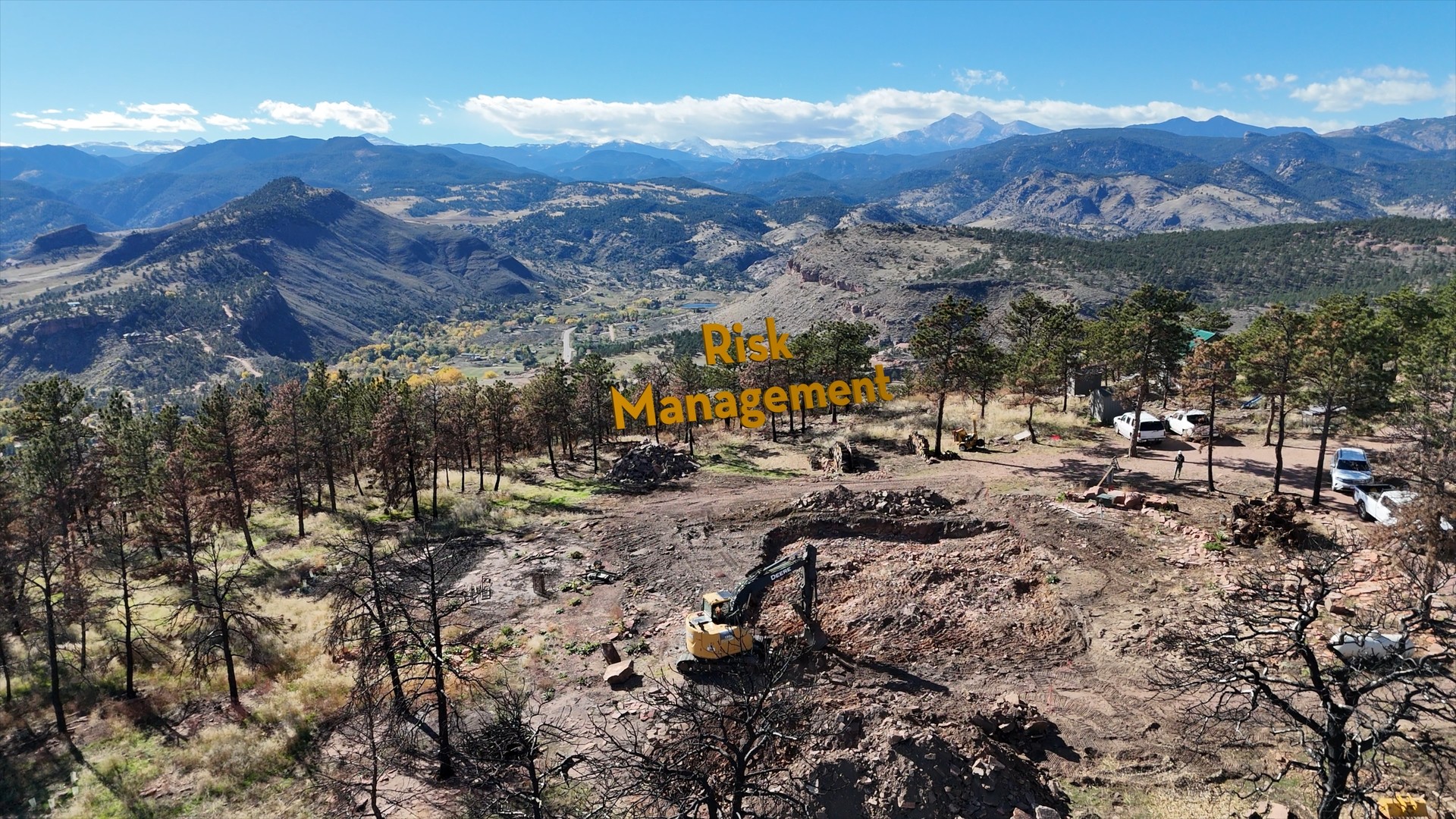
On one of our recent projects in Lyons, we identified excavation as a phase with a disproportionately high risk factor. The unknowns beneath the surface/soil conditions, drainage, rock formations can significantly impact both timeline and cost.

Instead of waiting to see what might happen, we sat down with the client early in the process. Together, we reviewed potential outcomes, from best-case to worst-case scenarios. That conversation shaped both the design strategy and the financial plan, allowing us to build contingency directly into the project scope.

This approach gave everyone - client, architect, and our team - the clarity needed to move forward confidently.


Stewardship Over Surprise

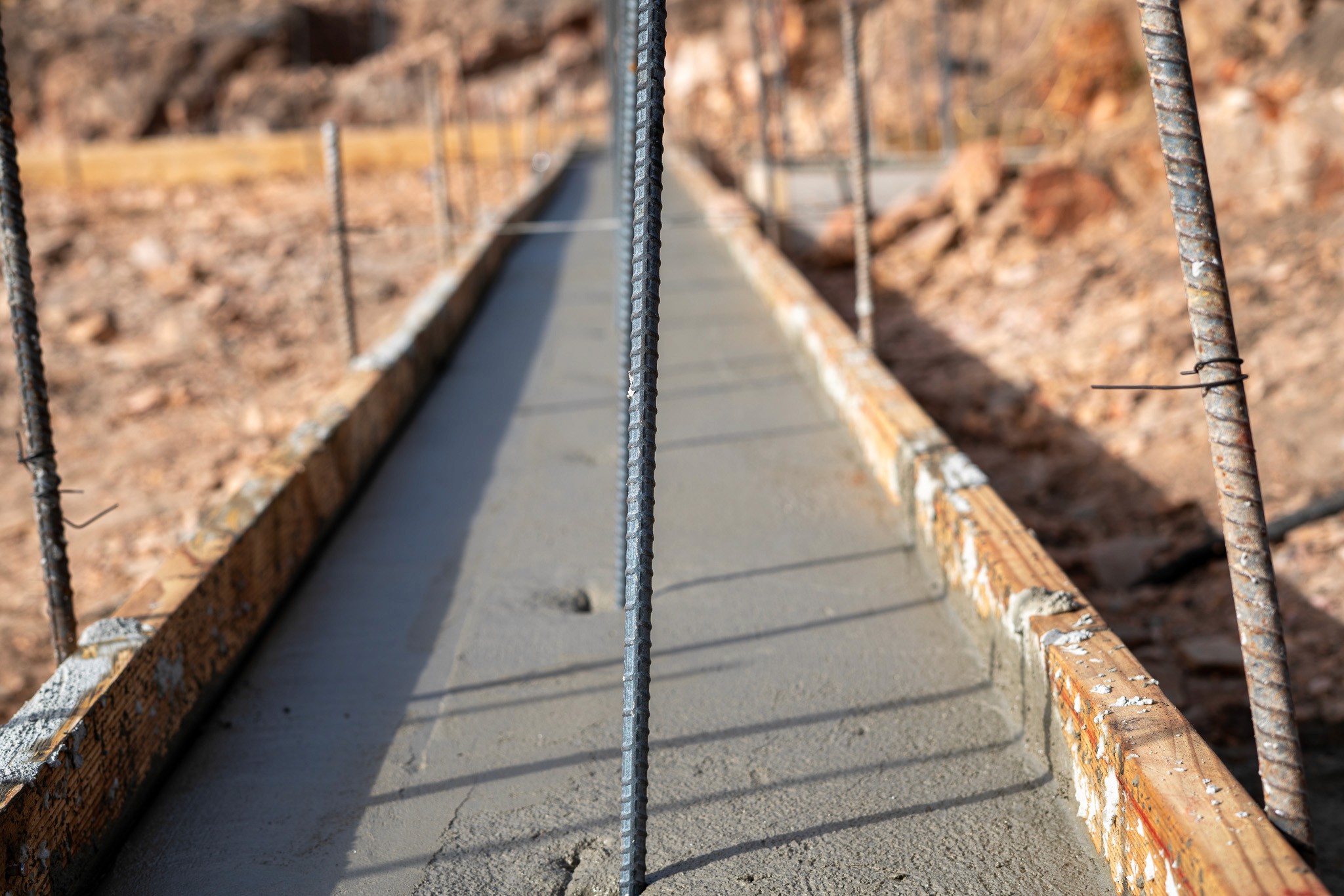
Luxury construction isn’t defined by marble or millwork; it’s defined by trust.
By integrating risk management into our design discussions, we minimize surprises and strengthen relationships.

When clients see that we’ve considered not just the visible craftsmanship but the invisible uncertainties, they feel something far more valuable than excitement, they feel peace of mind.

That’s the kind of calm, transparent process we want every Fernhill client to experience.


Luxury Through Clarity

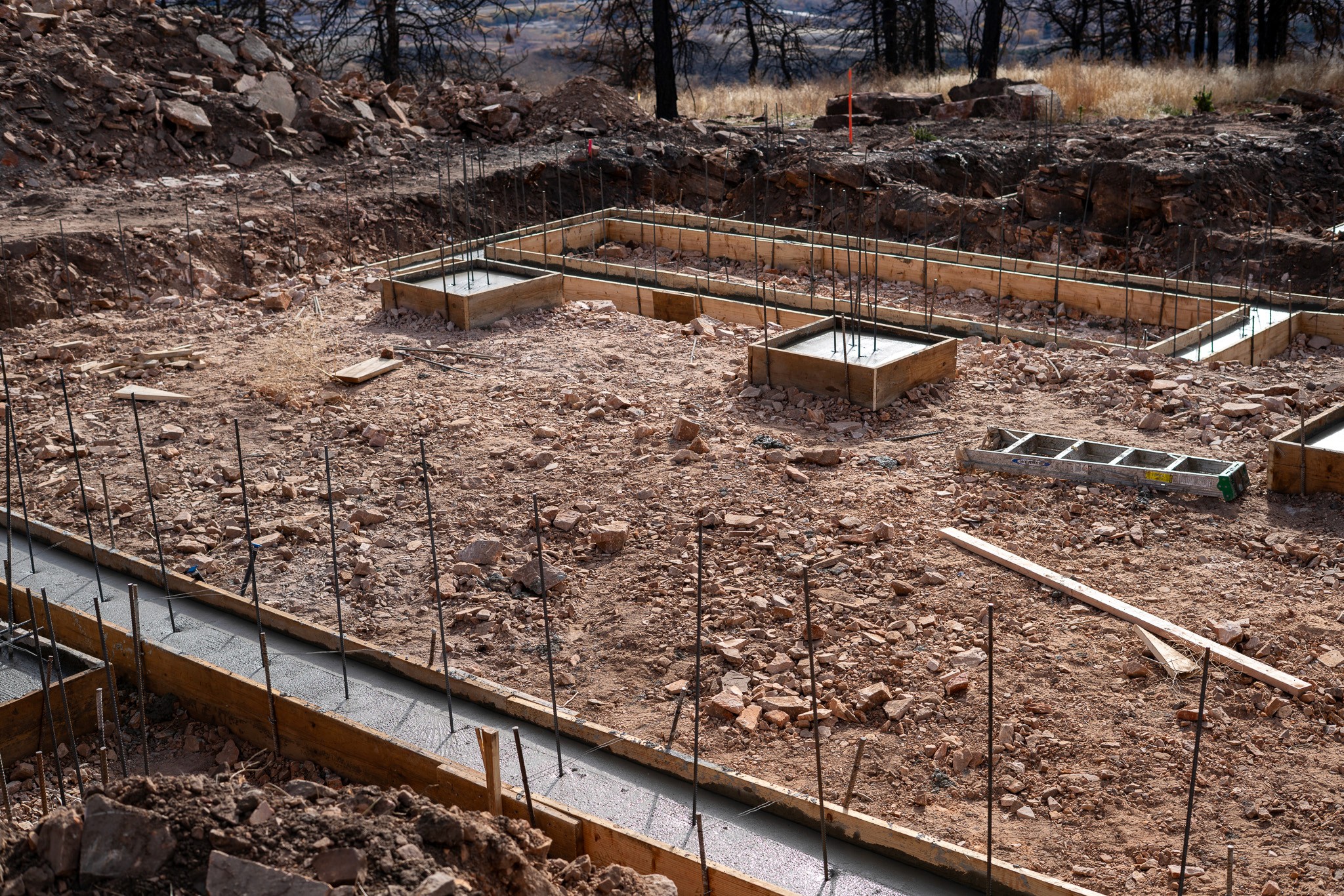
True luxury isn’t about perfection; it’s about process.
It’s about knowing that your team is anticipating challenges before they arise and protecting your investment at every turn.

When risk is managed through open communication, clients can focus on what they’re building, not what they’re fearing.

That’s how we define approachable luxury:
Confidence. Transparency. Collaboration.

Details

Date

Nov 12, 2025

Category

Construction Insights

Reading Time

10 min

Author
Alex Molkentin

Owner of Fernhill

Related Articles

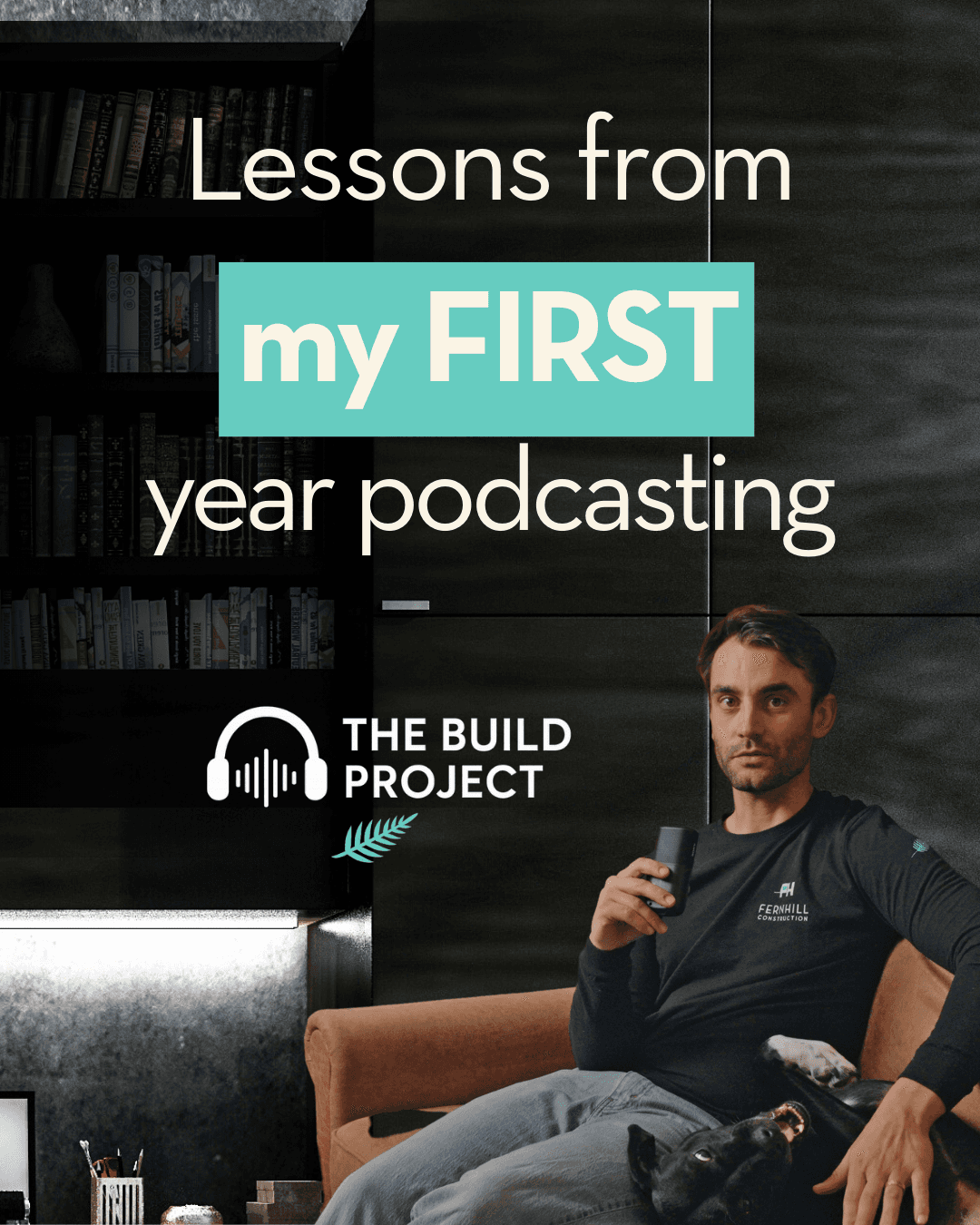
When I started the podcast, I didn’t set out to build an audience or create “content.” I wanted to create space for conversations that were already happening quietly, between builders, architects, designers, and owners - about what actually works, what doesn’t, and why so much of residential construction feels harder than it needs to be. A year in, what surprised me most wasn’t how informative or enjoyable those conversations were. It was how often I walked away from an episode and immediately opened my business journal. Nearly every conversation challenged me to think more deeply about the industry, the way we structure teams, how trust is built, and what kind of work I actually want to be doing. These aren’t lessons tied to individual episodes. They’re patterns, principles that showed up repeatedly, from different perspectives, across different conversations.

When I started the podcast, I didn’t set out to build an audience or create “content.” I wanted to create space for conversations that were already happening quietly, between builders, architects, designers, and owners - about what actually works, what doesn’t, and why so much of residential construction feels harder than it needs to be. A year in, what surprised me most wasn’t how informative or enjoyable those conversations were. It was how often I walked away from an episode and immediately opened my business journal. Nearly every conversation challenged me to think more deeply about the industry, the way we structure teams, how trust is built, and what kind of work I actually want to be doing. These aren’t lessons tied to individual episodes. They’re patterns, principles that showed up repeatedly, from different perspectives, across different conversations.

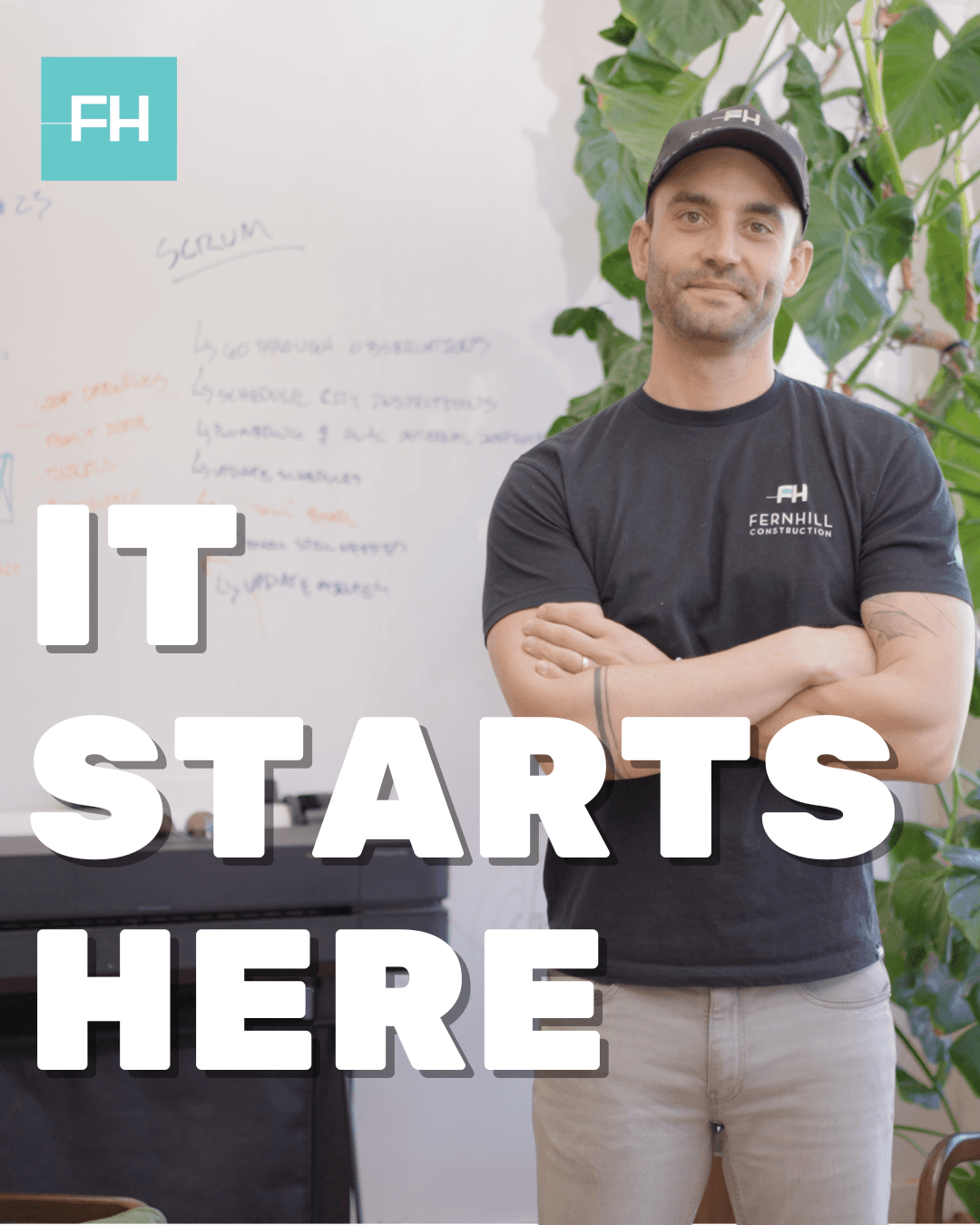
As the holiday season approaches, I find myself doing what I try to do every year around this time—slow down for a moment. Not for work, not for deadlines, not for the next project waiting in pre-construction, but to simply take a breath and look around at everything we’ve been a part of this year. And what always comes into focus first isn’t the buildings. It’s the people. It’s easy in our industry to get lost in the schedules, the logistics, the budgets, and the details. But at the end of the day, our work isn’t just about structures—it’s about the humans who shape them, the clients who dream them, and the teams who bring them to life. That realization has been at the heart of Fernhill from the beginning, and this year, it feels more important than ever.

As the holiday season approaches, I find myself doing what I try to do every year around this time—slow down for a moment. Not for work, not for deadlines, not for the next project waiting in pre-construction, but to simply take a breath and look around at everything we’ve been a part of this year. And what always comes into focus first isn’t the buildings. It’s the people. It’s easy in our industry to get lost in the schedules, the logistics, the budgets, and the details. But at the end of the day, our work isn’t just about structures—it’s about the humans who shape them, the clients who dream them, and the teams who bring them to life. That realization has been at the heart of Fernhill from the beginning, and this year, it feels more important than ever.

When it comes to budgeting a custom home or large-scale remodel, one of the most misunderstood truths in residential construction is this: Your builder doesn’t determine what your project costs—your scope does. We say this often, especially during early conversations with clients and design collaborators. Because one of the biggest risks to trust (and to project success) is a number shared too early, too vaguely, or too optimistically. So let’s dig into what scope actually means—and why it’s the single biggest driver of your budget.

When it comes to budgeting a custom home or large-scale remodel, one of the most misunderstood truths in residential construction is this: Your builder doesn’t determine what your project costs—your scope does. We say this often, especially during early conversations with clients and design collaborators. Because one of the biggest risks to trust (and to project success) is a number shared too early, too vaguely, or too optimistically. So let’s dig into what scope actually means—and why it’s the single biggest driver of your budget.

When I started the podcast, I didn’t set out to build an audience or create “content.” I wanted to create space for conversations that were already happening quietly, between builders, architects, designers, and owners - about what actually works, what doesn’t, and why so much of residential construction feels harder than it needs to be. A year in, what surprised me most wasn’t how informative or enjoyable those conversations were. It was how often I walked away from an episode and immediately opened my business journal. Nearly every conversation challenged me to think more deeply about the industry, the way we structure teams, how trust is built, and what kind of work I actually want to be doing. These aren’t lessons tied to individual episodes. They’re patterns, principles that showed up repeatedly, from different perspectives, across different conversations.

As the holiday season approaches, I find myself doing what I try to do every year around this time—slow down for a moment. Not for work, not for deadlines, not for the next project waiting in pre-construction, but to simply take a breath and look around at everything we’ve been a part of this year. And what always comes into focus first isn’t the buildings. It’s the people. It’s easy in our industry to get lost in the schedules, the logistics, the budgets, and the details. But at the end of the day, our work isn’t just about structures—it’s about the humans who shape them, the clients who dream them, and the teams who bring them to life. That realization has been at the heart of Fernhill from the beginning, and this year, it feels more important than ever.